Quick Facts at a Glance
- Recall Date
- February 26, 2026
- Hazard Level
- HIGH
- Brand
- Todson
- Category
- Sports & Recreation
- Sold At
- Multiple Retailers
- At-Risk Groups
- GENERAL
What to Do Now
Use this page like a recall checklist: verify the product first, then act on the official remedy.
Immediate steps
- 1Stop using the product until you confirm whether it is included in the recall.
- 2Compare the product label, model number, UPC, color, size, and purchase location against the identifiers below.
- 3Follow the official remedy from Consumer Product Safety Commission; save photos, receipts, labels, and correspondence before contacting the company.
- 4If the product could harm a child, older adult, pet, or patient, move it out of reach immediately.
Check these identifiers
- Brand
- Todson
- Product type
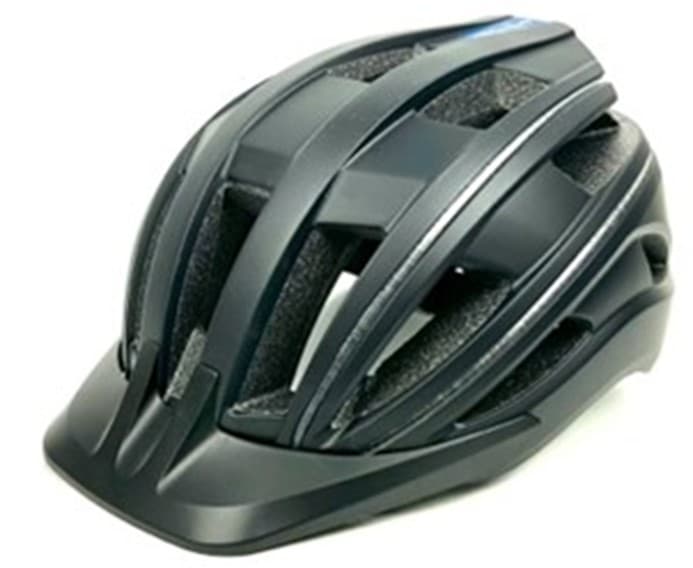
- Bicycle Helmet
- Colors
- Black
- Sizes
- Large
- Sold at
- Multiple Retailers
Recall Timeline
Key dates and source checks for this recall record.
Recall announced
February 26, 2026
Reported by CPSC
February 27, 2026
RecallRadar source check
March 5, 2026
Consumer action
Use the official remedy and keep documentation.
More Product Images
Hazard Information
The recalled helmets violate the mandatory safety standard for bicycle helmets because the helmets do not comply with the retention system and positional stability requirements. The helmets can fail to protect the user in the event of a crash, posing a serious risk of injury or death due to head injury.
What You Should Do
return it for a full refund. Todson toll free at 800-278-2565 from 9 a.m. to 5p.m. ET Monday through Friday, email at 360concordhelmet@todson.com, or online at todson.com/360-concord-recall or www.Todson.com and click "Recall" at the top of the page for more information.. Consumers should immediately stop using the recalled Concord Helmets and contact Todson for a full refund. Consumers should destroy the recalled helmets by cutting the straps off the helmets. Consumers can send photos of the helmet with the straps cut off to 360concordhelmet@todson.com to obtain a refund. Note: Do not throw this recalled helmet with a lithium-ion battery in the trash, the general recycling stream (e.g., street-level or curbside recycling bins), or used battery recycling boxes found at various retail and home improvement stores. Lithium-ion batteries must be disposed of differently than other batteries, because they present a greater risk of fire. Your municipal household hazardous waste (HHW) collection center may accept this recalled lithium-ion battery or device for disposal. Before taking your battery or device to a HHW collection center, contact that office ahead of time and ask whether it accepts lithium-ion batteries. If it does not, contact your municipality for further guidance. You can also visit Todson.com/360-concord-recall for more information on potential disposal locations.. Available options: Refund
About This Product
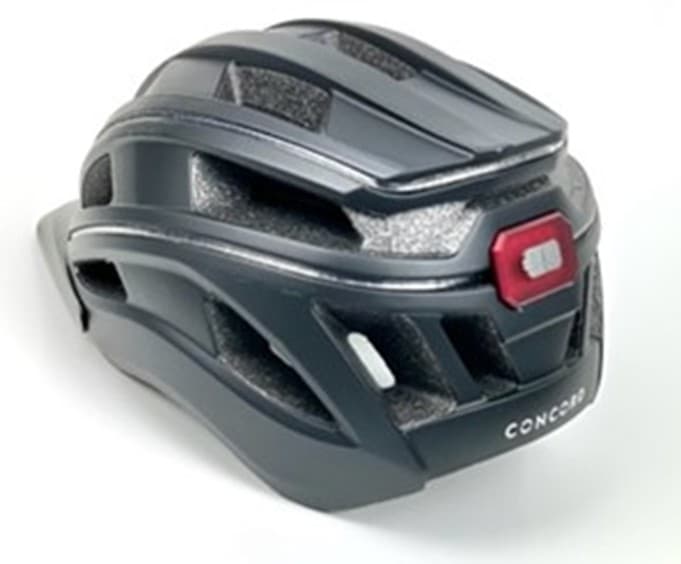
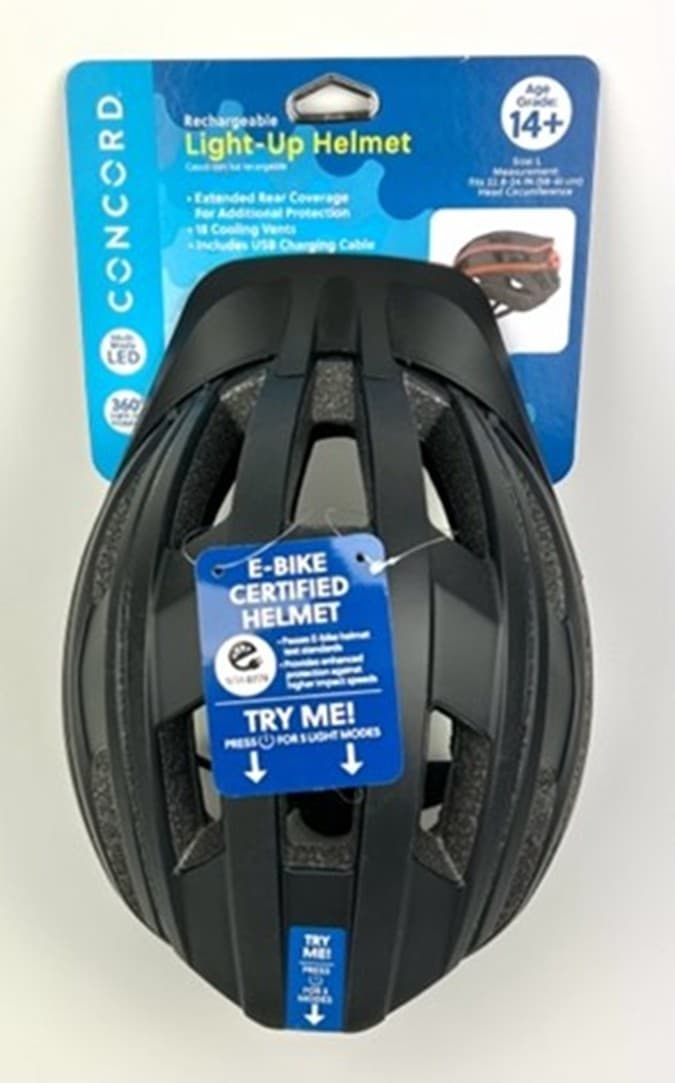
The Concord 360 Degree Rechargeable Light-Up bike helmet is designed to enhance visibility while riding, appealing to cyclists who prioritize safety. It features a built-in LED lighting system for nighttime visibility, making it an attractive option for riders.
Why This Is Dangerous
These helmets can fail to meet safety standards, which compromises their ability to protect users during accidents. This failure increases the risk of severe head injuries, which can lead to death or long-term disabilities.
Industry Context
This recall is not part of a broader industry pattern.
Real-World Impact
Consumers are at high risk of serious head injuries if they continue using the recalled helmets. The inconvenience of returning the helmet and waiting for a refund is outweighed by the potential safety hazards.
Practical Guidance
How to identify if yours is affected
- Verify that the helmet is a Concord-branded 360 Degree Rechargeable Light-Up helmet.
- Check the size to ensure it is large, fitting a head circumference of 22.8 to 24 inches.
- Look for the brand name "Concord" printed on the back of the helmet.
Where to find product info
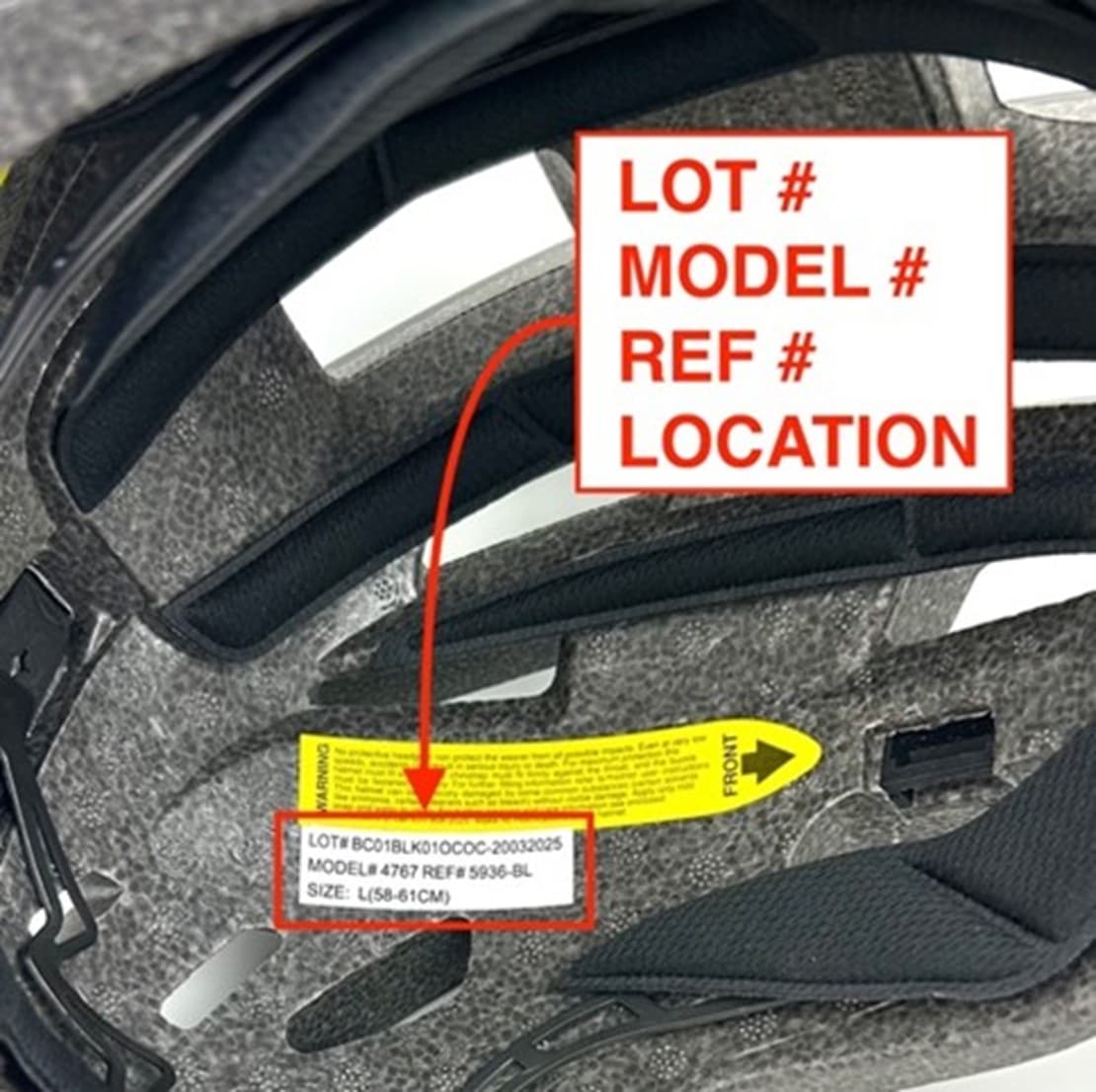
The label with the size and brand name is usually located inside the helmet or on the straps.
What timeline to expect
Expect a refund processing time of 4-6 weeks after returning the helmet.
If the manufacturer is unresponsive
- Document all communications with Todson regarding the refund.
- Consider filing a complaint with the CPSC for further action.
- Reach out through social media or alternative contact methods if necessary.
How to prevent similar issues
- Always check for safety certification labels when purchasing helmets.
- Look for helmets with a recognized safety standard, such as CPSC or Snell.
- Avoid helmets with known design flaws or recalls by researching before buying.
Documentation advice
Keep a copy of your refund request, photos of the cut-up helmet, and any correspondence with Todson as proof.
Get instant alerts for Sports & Recreation recalls
Be the first to know. Free instant alerts to your inbox.
Product Details
The recall involves Concord-branded 360 Degree Rechargeable Light-Up bike helmets, size large (L), fitting a head circumference of about 22.8 to 24 inches. The helmets feature a black exterior, built-in LED lighting system, black straps, and a black plastic knob for fit adjustment. The brand "Concord" is printed on the back.
Key Facts
- Recall date: February 26, 2026
- Hazard: Risk of serious head injury
- Size: Large (22.8 to 24 inches head circumference)
- Refund available upon return
- Contact: 800-278-2565 for assistance
Browse More Recalls
Safety Guide
Not sure what to do next? Our guide walks you through the process step by step.
Read: How to Get Refunds and ReplacementsGet Alerts for Sports & Recreation Recalls
Get instant alerts for recalls that affect you. Free forever.